Affordable Rooflights for Home Extensions
How to Find the Right Skylight for Your Roof: A Comprehensive Buyer's Guide
Selecting the ideal skylight for a rooftop demands thorough assessment of multiple aspects. From learning about various styles to determining the appropriate dimensions and position, all determinations affect the complete functionality and appearance. Energy efficiency features and materials also play critical roles. Furthermore, the decision between self-installation and engaging a specialist can affect both expenses and results. Given the abundance of alternatives, arriving at a knowledgeable choice can be complex yet satisfying. Where should one begin when narrowing down options?
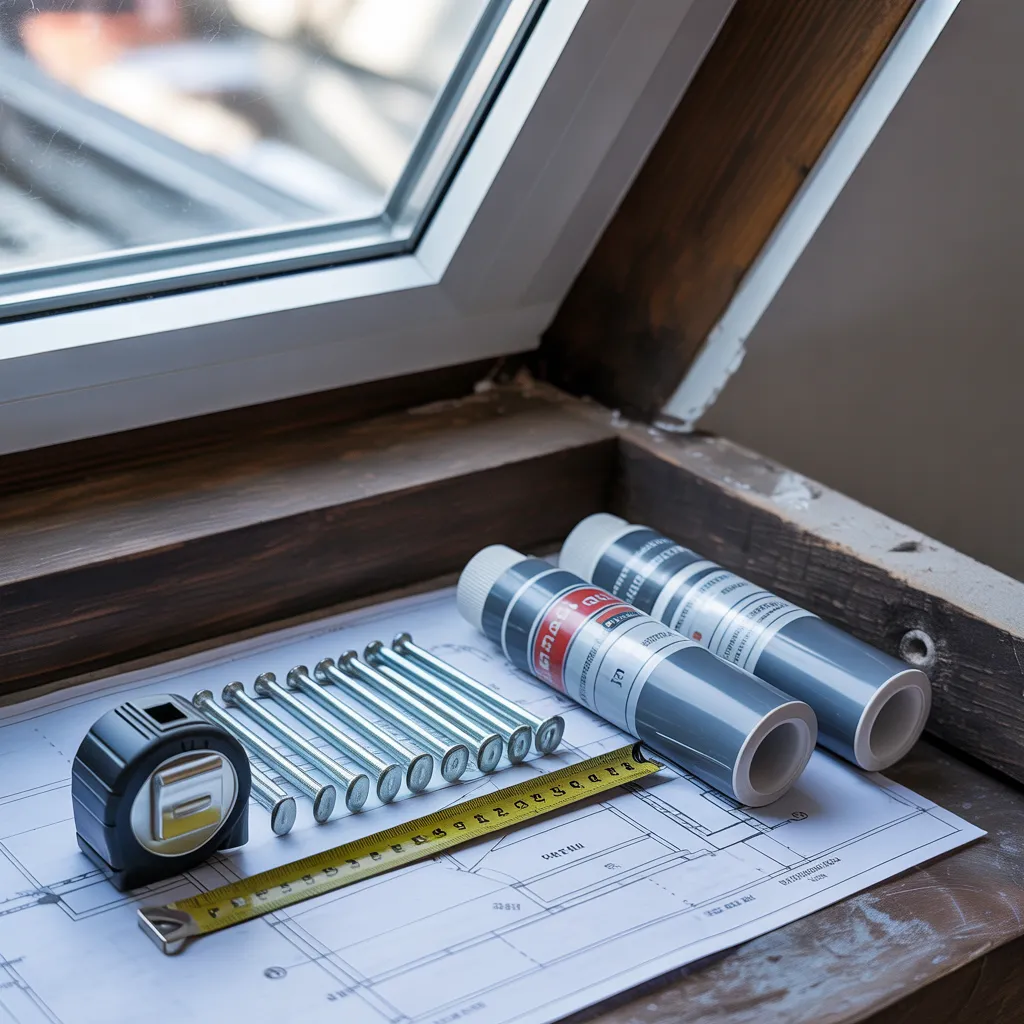
Exploring Various Skylight Types
Skylights exist in several different types, each crafted to meet particular needs and design preferences. Fixed skylights are non-opening units designed chiefly to bring in natural light, making them a perfect choice for areas where airflow is not a priority. Ventilated skylights, on the other hand, can be opened to allow air circulation, improving interior comfort levels. Tubular skylights are compact and designed for smaller spaces, channeling sunlight through a reflective tube, making them an excellent solution for hallways or bathrooms.
Glass options differ, including acrylic and polycarbonate options, each offering different levels of insulation and UV protection. Moreover, a number of skylights feature built-in blinds or shading systems, offering greater control over light and privacy. Selecting the appropriate type requires evaluating factors including climate, room function, and architectural style, making certain that the chosen skylight enhances the overall design while meeting practical needs.
Picking the Ideal Size and Placement
When determining the appropriate size and placement for a skylight, it is vital to reflect on both the measurements of the room and the intended degree of natural light. A larger skylight can enhance brightness in spacious areas, while more compact choices may suffice for compact rooms. Moreover, the height of the ceiling and the direction the room faces should guide the decision; south-facing placements generally optimize natural light absorption.
Appropriate placement is vital for achieving perfect light distribution. Skylights located near the heart of a room can brighten a larger area, while those fitted closer to walls may establish defined light zones. It is furthermore essential to account for potential barriers, such as surrounding trees or nearby buildings, which might impede sunlight. Ultimately, balancing size and placement guarantees that the skylight effectively enhances the ambiance and functionality of the space, creating a harmonious environment filled with natural light.
Important Energy Efficiency Attributes in Skylights
Choosing skylights with energy efficiency in mind can greatly impact the overall energy usage of a home. Energy-efficient skylights commonly include double or triple glazing, which reduces heat transfer and assists in maintaining consistent indoor temperatures. Low-emissivity (Low-E) coatings are another essential feature, bouncing infrared light away while still allowing natural sunlight to filter in, thus decreasing dependence on artificial lighting.
In addition, skylights equipped with insulated frames considerably strengthen thermal performance, blocking evidence cold drafts in winter and intense heat during summer months. Properly designed skylights can also include ventilation options, allowing for natural airflow that effectively manages indoor climate without excessive energy use.
Moreover, choosing models with a elevated solar heat gain coefficient (SHGC) can maximize solar energy gains, making certain that homes remain livable year-round. When prioritizing these key energy efficiency attributes, homeowners can secure notable savings on energy charges while promoting a more environmentally conscious living lifestyle.
Materials That Enhance Durability and Style
When choosing a skylight, the selection of materials is crucial in both durability and aesthetic appeal. Homeowners can choose between glass and acrylic options, each providing unique benefits regarding durability and transparency. Additionally, the choice of frame material is important to guarantee peak performance and aesthetic compatibility with the roof's overall design.
Comparing Glass and Acrylic Options
What material offers the best balance of durability and aesthetics for skylights: glass or acrylic? Glass skylights are renowned for their clarity and resistance to yellowing over time, making them an appealing choice for homeowners seeking longevity and a refined appearance. They also offer superior scratch resistance, ensuring a clear view and minimal maintenance. Conversely, acrylic skylights are lighter and more impact-resistant, making them suitable for areas prone to extreme weather or potential debris. Nevertheless, they may demand more regular replacement owing to their susceptibility to ultraviolet degradation. At the end of the day, selecting between glass and acrylic comes down to the homeowner's individual priorities, such as aesthetic preferences, acceptable maintenance levels, and local environmental factors. Both materials offer distinct benefits, each suited to varying needs and personal preferences.
Frame Material Factors
The frame material of a skylight plays an essential role in both longevity and visual appeal. Common materials include aluminum, wood, and vinyl, all of which offer specific strengths. Aluminum frames are lightweight and resistant to rust, making them ideal for diverse weather conditions. Frames crafted from wood deliver a traditional aesthetic and strong insulation but demand routine care to prevent damage over time. Vinyl framing options are minimal in upkeep and highly energy-efficient, providing strong protection against moisture and UV exposure. When selecting a frame material, take into account regional climate, the home's architectural style, and preferred upkeep levels. In the end, the best selection will boost the skylight's lifespan while harmonizing with the roof's architectural character.
Is It Better to DIY or Hire a Professional for Installation?
When thinking about skylight installation, homeowners should consider their skills and experience against the challenges of the project. Financial factors also play a critical role, as DIY projects may seem economical but can lead to unforeseen expenses. Additionally, the hazards connected to faulty installation can lead to significant long-term issues.
Required Skills and Experience
Considering whether to tackle skylight installation as a self-managed task or bring in an expert requires a thorough assessment of one's skills and experience. Individuals who have solid experience in construction, roofing, or carpentry may feel confident in their ability to installing a skylight. Familiarity with tools and safety protocols can make the project more manageable. Conversely, those without adequate experience may run into obstacles, particularly with waterproofing and structural integrity. Correct installation is essential for prevent leaks and other issues. A professional, equipped with specialized knowledge and tools, can guarantee a seamless installation and handle any arising challenges. At the end of the day, measuring one's abilities against the intricacies involved is critical for reaching a well-considered conclusion.
Cost Factors and Risks
Evaluating the costs and challenges of skylight installation can greatly influence the choice to undertake a self-managed project or hire a professional. Those who prefer DIY may reduce labor expenses, but they must consider potential expenses related to mistakes, such as moisture problems or structural harm. Furthermore, the price of equipment and materials can accumulate rapidly. Hiring a professional ensures expert knowledge and minimizes risks, frequently leading to a more efficient installation. Nevertheless, this approach involves larger upfront investments. Property owners should evaluate their financial capacity, expertise, and the difficulty of the installation prior to deciding. In the end, the determination should be guided by both financial capacity and the desire for quality workmanship, assuring a high-quality skylight installation.
Upkeep Tips for Durable Skylights
Regular maintenance is essential for ensuring the lifespan and effectiveness of skylights. Homeowners should begin by routinely inspecting the skylight for indications of damage, such as splits or moisture issues. Wiping down the glass with a mild cleanser helps maintain clarity and allows natural light to illuminate the space freely. Additionally, examining the seals and flashing periodically is crucial; any degradation may result in moisture seepage, which may result in significant structural issues with time.
It is also advisable to clear debris from around the skylight, as built-up leaves and dirt may retain moisture and encourage mold development. If the skylight has a manual opening mechanism, regular lubrication will ensure seamless functionality. In the case of electrically operated skylights, checking the motor and wiring can help ward off potential malfunctions. By adhering to these maintenance tips, property owners can significantly prolong the life of their skylights while maintaining their visual and practical advantages.

Frequently Asked Questions
In What Ways Do Skylights Impact Interior Temperature Year-Round?
Skylights can greatly influence indoor temperature by letting in natural light and warmth during colder months while potentially increasing heat in summer. Correct installation methods and glazing solutions help regulate temperature, boosting overall comfort and energy performance across all seasons.
Can Skylights Reduce My Energy Bills Significantly?
Skylights are capable of considerably decreasing energy expenses by boosting the amount of natural light available, reducing dependence on artificial light sources, and enhancing air circulation. Proper installation and energy-efficient models further optimize heating and cooling, generating considerable financial savings over the years.
What Are the Typical Skylight Installation Errors to Steer Clear Of?
Typical skylight installation mistakes encompass improper flashing, poor sealing, unsuitable sizing, and improper placement. Overlooking these aspects can contribute to leaks, energy inefficiency, and decreased effectiveness, ultimately undermining the skylight's desired advantages and longevity.
What Should I Consider When Choosing a Skylight for a Flat Roof?
Choosing the ideal skylight for a flat rooftop involves examining elements like energy efficiency, size, material, and design compatibility. Moreover, ensuring appropriate installation techniques and drainage can aid in preventing water infiltration and improve longevity.
What Kinds of Warranties Are Usually Available on Skylights?
Generally, skylights feature warranties ranging from 10 to 20 years, protecting against defects in materials and workmanship. Certain manufacturers also offer additional warranty protection for particular parts, providing greater coverage against leaks and related problems over time.